
AGENCY

Promotional Events › Satellite Events & Symposia

A congress stand gets you traffic. A satellite event gets you the room's undivided attention.

You're investing £50K+ in a major congress. A stand gives you badge scans. A satellite event gives you 60-90 minutes with the exact audience you need — decision-makers who chose to be there, focused on your topic, in a format you control. Satellite events are the highest-conversion format in healthcare marketing. Most companies don't run them because they don't know how.

Healthcare satellite symposium — congress event management

Satellite Events · 60s

94% attendance rate at last satellite event · 17 new accounts from single symposium · 20 years in healthcare events · Speaker management for global congresses

Does this sound familiar?

The Booth Trap

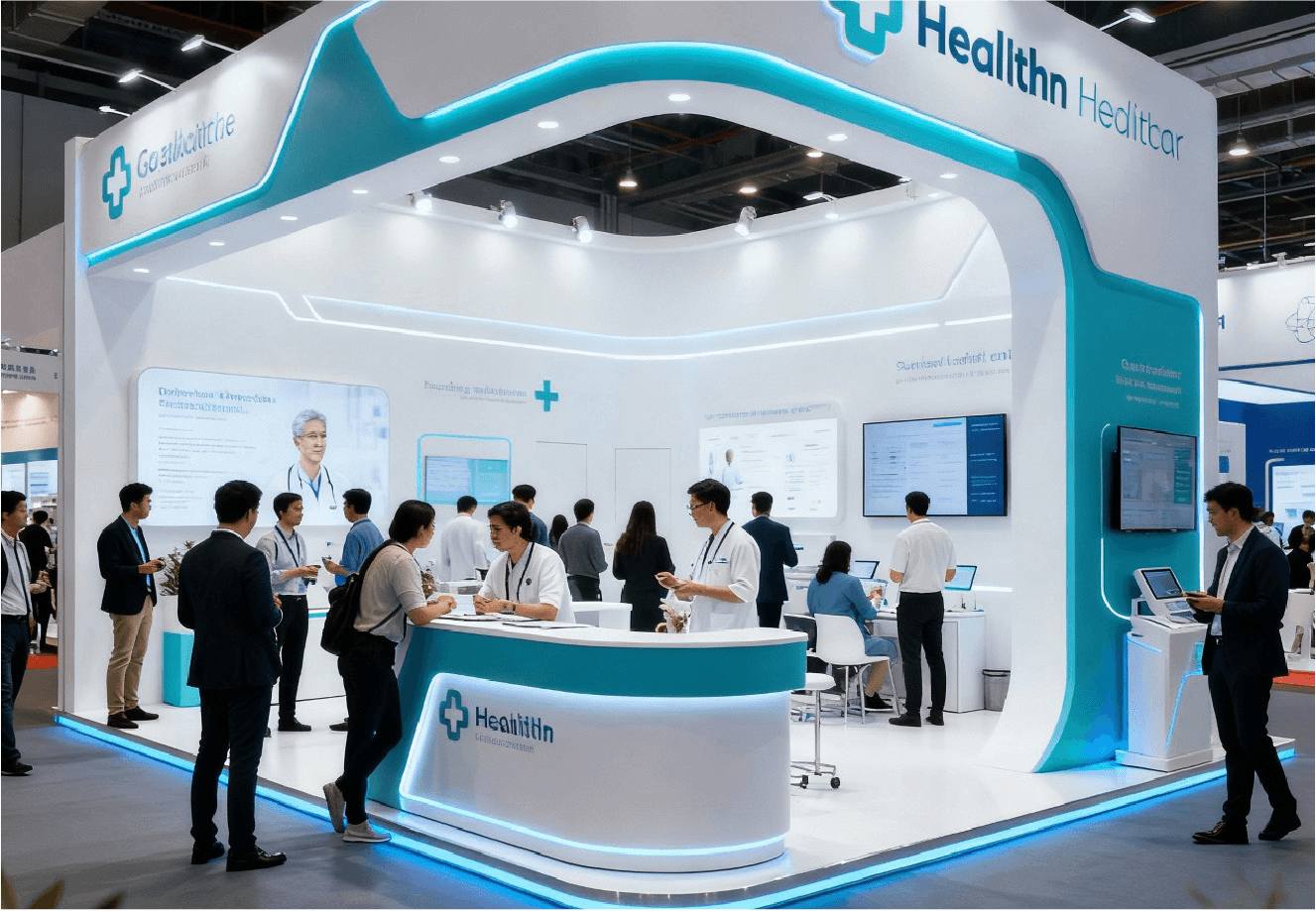
You spend £100K on a congress stand. Your team scans 500 badges. Most are students or junior clinicians. The decision-makers walk past. You're competing with 200 other stands for 30 seconds of attention.

The Passive Audience

People stop at your stand because the coffee is free or the demo looks interesting. That's not intent — it's proximity. You have no way to guarantee you're speaking to people who actually care about your clinical area.

The Missing Format

You want to present data, share clinical experience, discuss outcomes with peers. A booth isn't the right format. You need a room, a programme, and an audience that's opted in. But you've never organised a satellite event and don't know where to start.

The Empty Seats Fear

You've considered running a satellite event. The fear: what if nobody comes? An empty room at a major congress is worse than no event at all. So you default to the stand again.

A stand competes for attention. A satellite event earns it.

Congress stands are passive. People approach because they're walking past. Satellite events are active. People attend because they chose to. That's the fundamental difference: opted-in attention versus incidental proximity.

A well-structured satellite event at a major congress creates a closed environment where decision-makers hear your clinical story, discuss it with peers, and engage at depth that a booth conversation can never match. In 60-90 minutes, you achieve more qualified engagement than three days on the exhibition floor.

The challenge is execution: topic positioning, speaker management, promotion, attendance optimisation, and measuring what it delivered. That's where most companies stall — they understand the value but don't have the capability to deliver it.

The highest-converting format in healthcare marketing is 60 minutes in a room with people who chose to be there.

Programme design, speaker management, attendance optimisation, and proof it worked.

Four pillars. The programme fills the room. The follow-up turns attendance into pipeline.

01

Programme design

The topic isn't your product — it's the clinical challenge your product addresses. We design educational programmes that draw the right audience because the content itself is valuable. A satellite event that's a product pitch disguised as education fills no seats. A satellite event that addresses a real clinical question fills the room.

02

Speaker management

KOL identification, invitation, briefing, and coordination. The right speaker transforms attendance. We manage the relationship from invitation through rehearsal to delivery, ensuring the programme serves both the clinical narrative and your commercial objectives.

03

Attendance & follow-up

The biggest risk in satellite events: empty seats. We run pre-event promotion, targeted invitations, and registration management — 94% attendance at our last event. Then we design the 48-hour post-event sequence that turns attendance into pipeline. One symposium generated 17 new accounts because the follow-up was as structured as the event.

What you walk away with.

Event Programme

Topic positioning, agenda design, content structure. An educational programme that draws the right audience because the content is genuinely valuable — not a product pitch in disguise.

Speaker Management

KOL identification, invitation, briefing, rehearsal, coordination. The right speakers, prepared and aligned with the programme objectives.

Promotion Campaign

Pre-event outreach, targeted invitations, registration management, reminder sequences. Designed to fill the room with decision-makers.

Attendance Tracking

Who attended, their seniority, their speciality, their engagement level. Real data on who was in the room, not just a headcount.

Post-Event Follow-Up Plan

Structured follow-up sequence for the 48 hours post-event. Lead qualification, relationship progression, meeting booking. The process that turns attendance into pipeline.

ROI Report

Attendance rate, decision-maker density, pipeline generated, cost per qualified contact, recommendations for future events. The numbers that justify the investment.

Real symposia. Real numbers.

Enterprise

MedTech Satellite Symposium, MEDICA

Problem

Company wanted to present new clinical data to European orthopaedic surgeons at MEDICA. No experience running satellite events. Concerned about attendance.

What we did

Programme design around clinical challenge (not product). KOL speakers from 3 countries. Targeted invitation campaign to pre-registered surgeons. Full event management.

Result

94% attendance rate. 17 new accounts opened from post-event follow-up. Three KOLs agreed to ongoing advisory roles.

Growing Companies

Diagnostics Symposium, UK Conference

Problem

Growing diagnostics company wanted to establish thought leadership in their clinical area. First satellite event. Budget-conscious. Needed maximum impact from modest investment.

What we did

Joint programme with complementary (non-competing) company to share costs. Single KOL speaker. Targeted invitations to 40 pre-identified decision-makers.

Result

32 of 40 invitees attended (80%). 8 requested follow-up meetings. Programme costs shared, ROI doubled.

Enterprise

Pharmaceutical Company, Regional Symposia Series

Problem

Three regional symposia across UK to support new product adoption. Needed consistent programme delivered in different locations to different clinical audiences.

What we did

Programme template with local adaptation. Speaker management across 6 KOLs. Registration and attendance optimisation per location. Consolidated ROI reporting.

Result

Average 87% attendance across 3 events. 23 new prescribers within 3 months. Consistent message delivered across all regions.

Three days on an exhibition floor versus 90 minutes with the people who matter.

Your congress stand costs £50K-£200K and earns you 30 seconds with each person who walks past — most of whom can't buy. A satellite event costs a fraction of that and earns you 60-90 minutes with a room full of people who chose to be there because the topic matters to them.

One satellite event generated 17 new accounts. At an average deal value in medical devices, that's the entire congress budget returned from a single session.

The question isn't whether you can afford a satellite event. It's whether you can afford another congress where your highest-value format is a badge scan.

By stage

What this looks like for your business.

Growing Companies

First satellite event. Need high impact from modest investment. May share costs with complementary partner company. 1-2 events per year. Scope: programme design, speaker identification and management, promotion campaign, attendance optimisation, post-event follow-up plan, ROI report. £15K-£30K per event.

Enterprise

Multiple satellite events across congresses. Global speaker network management. Consistent programme delivery across markets. Portfolio-level measurement. Scope: annual symposia strategy, programme design per event, global speaker management, attendance optimisation at scale, consolidated ROI reporting, portfolio recommendations. £50K-£150K annual programme.

Questions we hear in every triage call.

What if nobody comes?

That's the fear that stops most companies trying. Our attendance optimisation approach — targeted invitations, pre-identification of decision-makers, registration management — achieved 94% at our last event. Empty rooms happen when promotion is generic. Ours isn't.

Isn't this just a product pitch in a different room?

If it is, nobody will come. The programme must be genuinely educational — addressing a clinical challenge, not presenting product features. The commercial value comes from being the company that convened the conversation, not the company that pitched the room.

We don't have KOL relationships for speakers.

We do. KOL identification and engagement is part of the service. We find the right speakers for your clinical topic, manage the invitation and briefing, and coordinate logistics. You don't need an existing speaker network.

How does this compare to just having a bigger stand?

A bigger stand gets you more badge scans — more volume, not more value. A satellite event gets you deeper engagement with a self-selected audience. They're complementary, not alternatives. Most companies should do both.

Can we share costs with another company?

Yes, and it's a smart approach for growing companies. Joint programmes with complementary (non-competing) companies share costs and broaden the audience. One client halved their costs and doubled attendance by co-hosting.

How do we measure success?

Attendance rate, decision-maker density, post-event meetings booked, pipeline generated within 90 days, cost per qualified contact. We build the measurement framework before the event, not after.

Who delivers

Event Strategy Lead

Charlie Litchfield

20 years in healthcare events. Former Director of Americas at Touch Associates. Designed and delivered satellite symposia at every major healthcare congress. The person who knows how to fill a room with the right people.

Event Design & Production

Adam Hitchcott

20 years designing event experiences. Global pedigree: Olympics, Rugby World Cup, Real Madrid. When the satellite event needs more than a conference room — staging, branding, AV production — Adam builds the environment.

Ready to talk?

30-minute triage call. No fee. No pitch. Bring your situation — we’ll tell you honestly whether we can help.

Healthcare innovations deserve recognition. We help them get it.